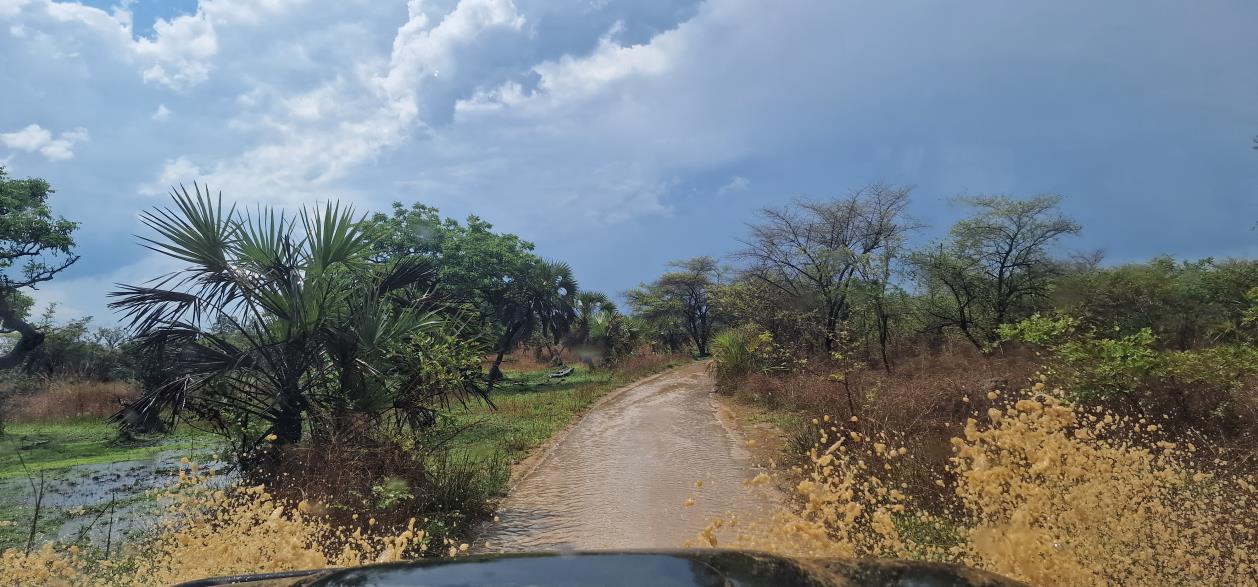
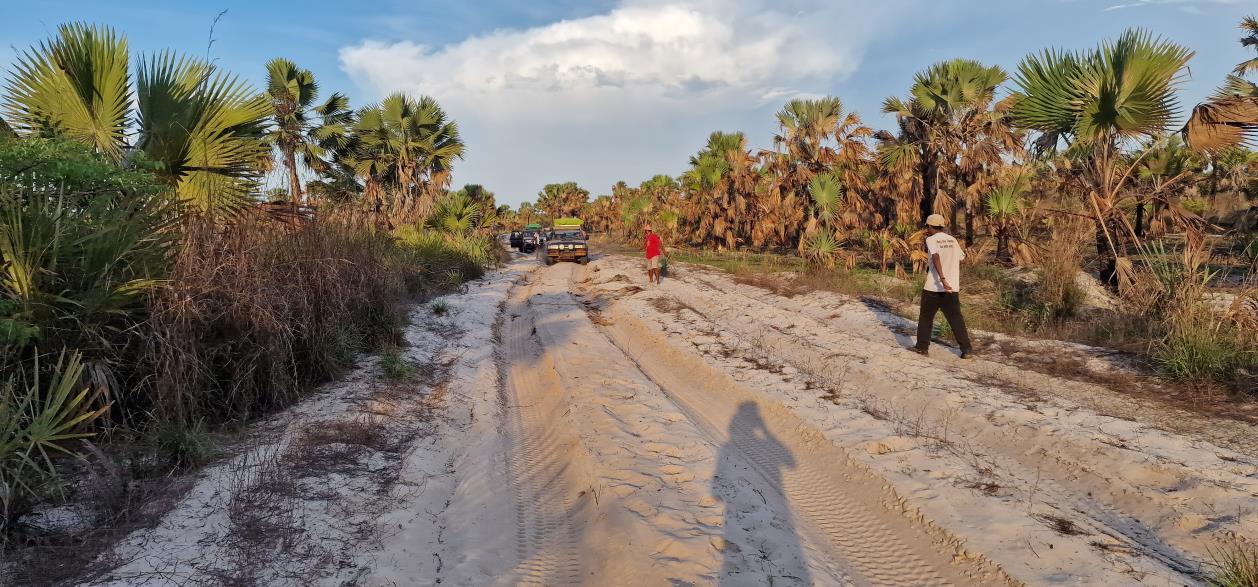
Madagascar is one of the poorest countries in the world and the 4th biggest island (587 041 km²) with approximately 25 million inhabitants. This previous French colony became independent in 1960, followed the Soviet Union block until the iron curtain was broken and Madagascar opened to the world.
It covers the tropical area between 12° and 25° of southern latitude and the Mozambique Channel between continental Africa is 400 km wide. Rainfalls decrease rapidly from eastern parts (3 500 – 5 000 mm) to only about 340 mm in Tulear in south west. The interior part with milder climate is formed mostly by granite mountain plateau with peaks up to 1500–2500 m.
Madagascar has about 18 ethnic groups (Betsileo, Mahafaly, Antandroi, etc.) which originated in south eastern Asia (Malaysia, Indonesia). These first inhabitants brought zebu, rice and hard-working skills. They use fire to increase fields and water to make new rice fields. Most of the work is done by hands and nature is under big threat if modern agricultural machines will be used. Madagascar has unique flora and fauna but it disappears fast.
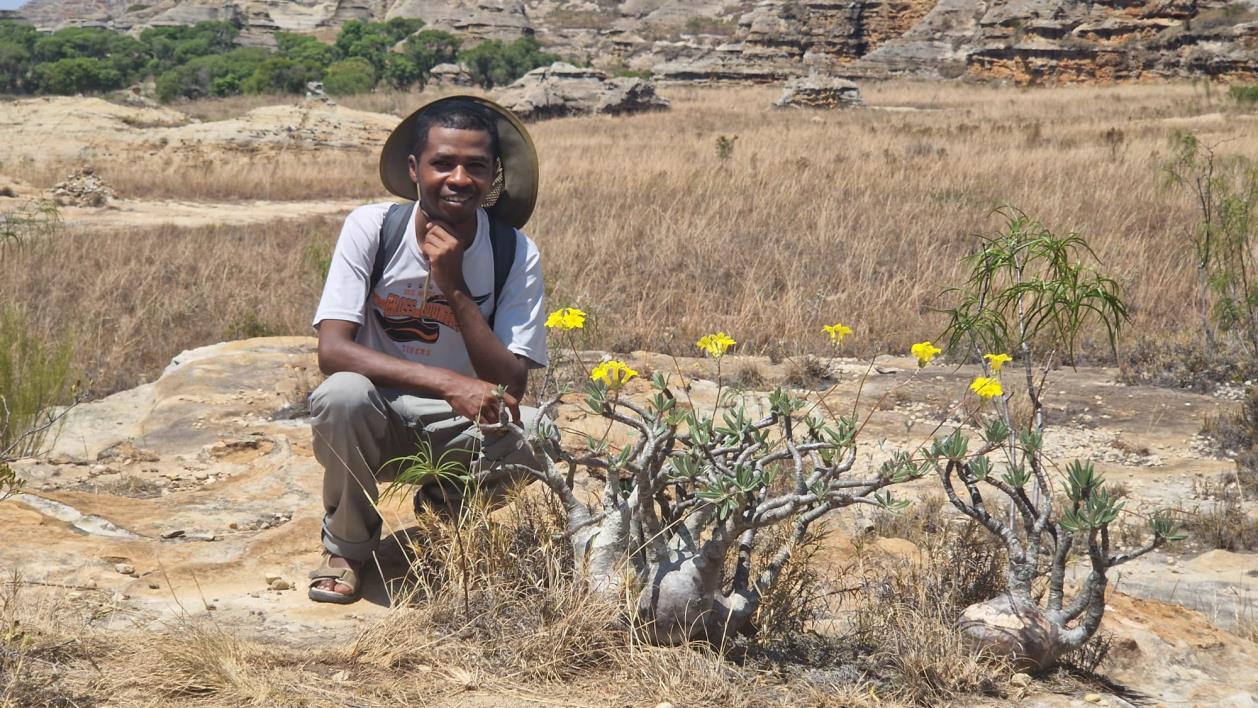
Madagascar always fascinated visitors by its exotic nature which do not occurs anywhere else (lemurs, tortoises). Unique xerophytic flora comes from central, southern and western parts. South western areas are composed mainly by members of Euphorbiaceae-Didieraceae, north is covered by deciduous forest with many succulents especially in lime formations called tsingy.
Though many areas are already cultivated there are still natural places which are not botanically explored due to difficult access. We can still expect new discoveries from this part of the world.
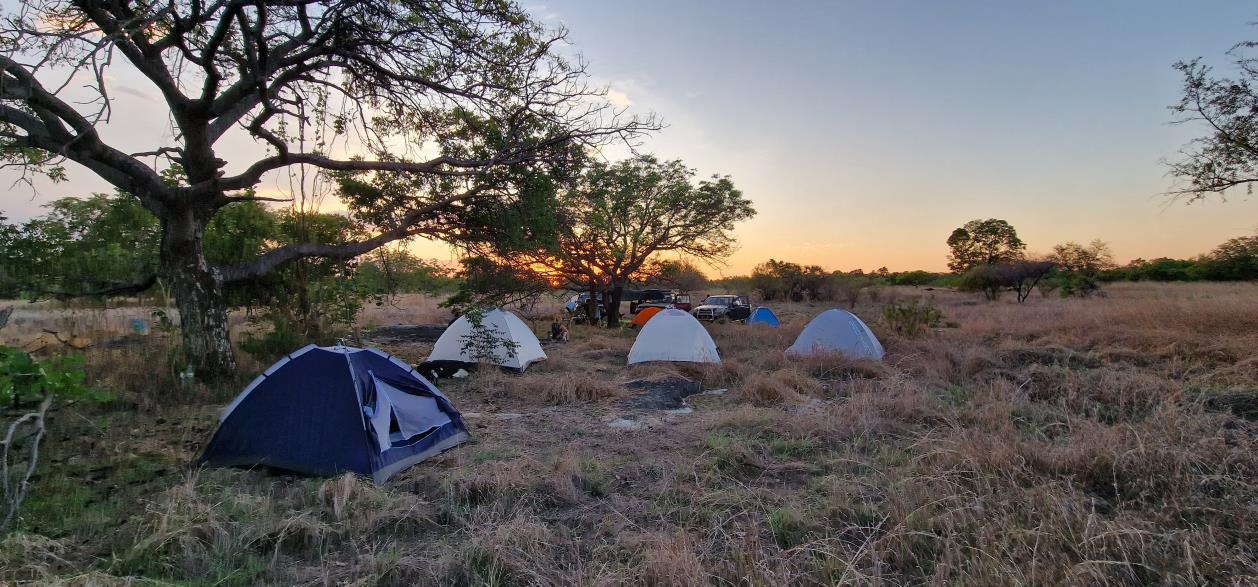
If you decide to visit Madagascar you must be aware that you must bring everything necessary with you. Only in the capital Antananarivo (Tana) you may succeed but it will take lot of time. Malagasy people have a lot of free time so each “vaza” (local name for white people) must bring tons of patience.
You also must think about medicals, antimalaria pills are necessary and be careful about hygiene. Fortunately, you can buy water bottles everywhere though not often in sufficient quantity. Most water is used for drinking and not for washing.
If you are interested learn more about Madagascar nature, we can help you to arrange individual trip. You can also visit Madagascar with travel agencies, follow strictly touristic routes and stay in commercial stereotypes. Our local guide Angelo knows both flora and fauna and speaks English. He can help you to discover Madagascar in really Malagasy way.
For your trip you need 3 presumptions:
1. Good guide (from 20€ per day)
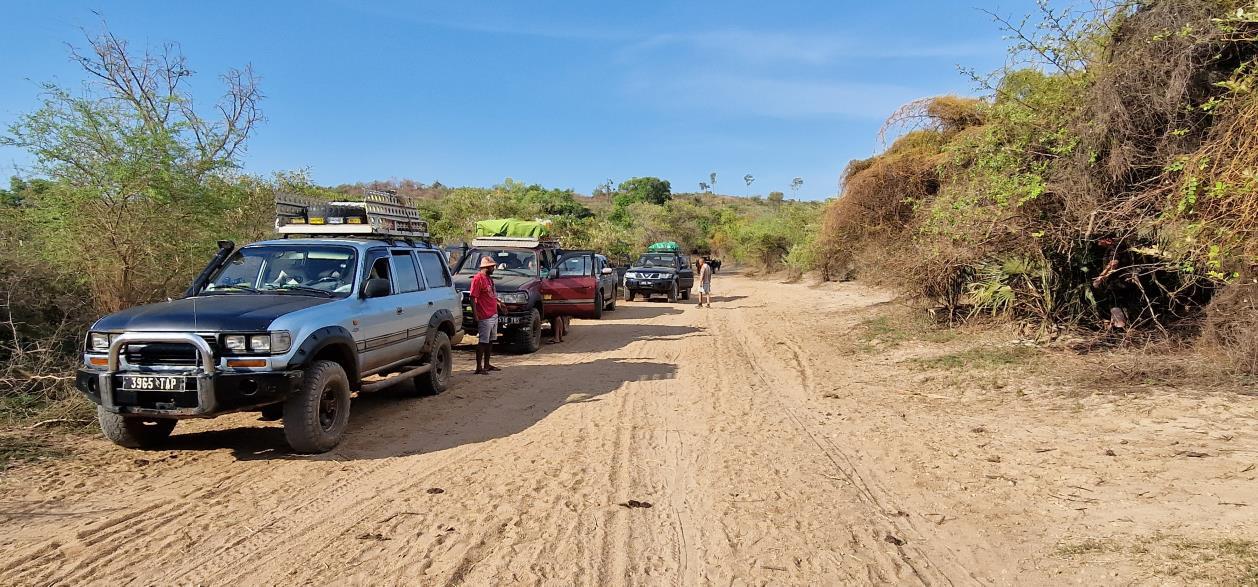
2. Reliable 4×4 (from 80€ per day)
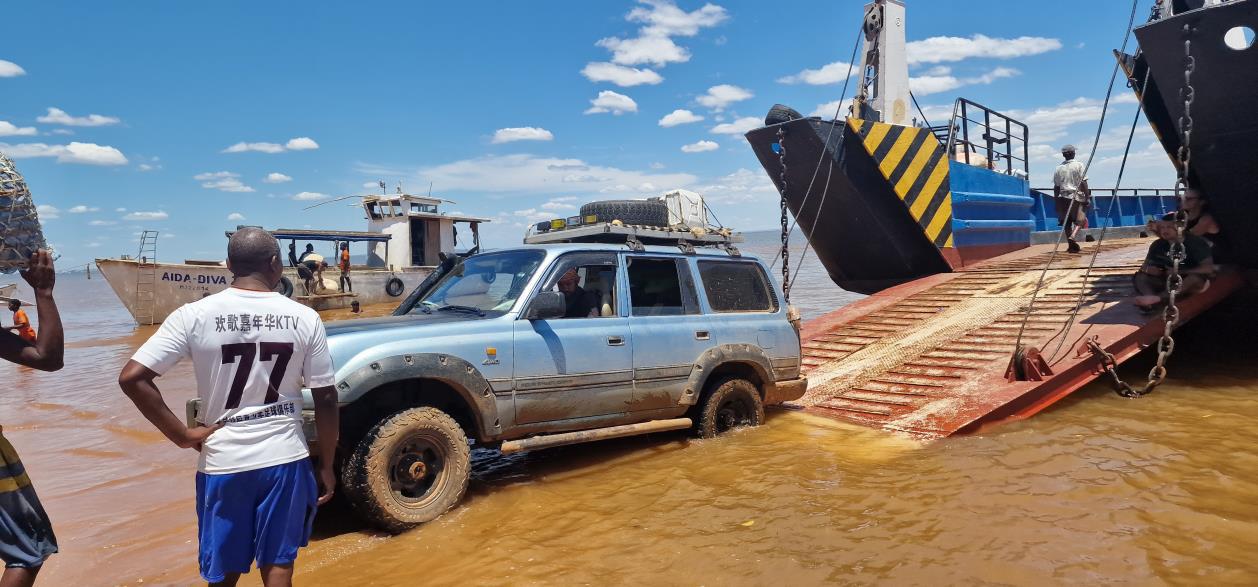
3. Ability to adapt to unexpected situations
If you are seriously interested, please contact us at: